
French at Wellesley
From Year 1, boys discover how language opens doors to new cultures, new friendships, and new ways of thinking.

Bonjour to a world of possibilities
French at Wellesley bursts with energy and purpose. Each lesson blends structure with creativity – action songs, games and catchy tunes that help vocabulary stick naturally. Boys experience language acquisition in an engaging and interactive format, immersing themselves not just in the language, but the French culture as well.
When children learn languages at a young age, they develop stronger cognitive flexibility and problem-solving abilities that benefit every area of learning. Beyond the academic benefits, our boys discover the confidence that comes from communicating in an entirely new way.
Learning that grows with them
French evolves as boys move through the school. Early lessons focus on sounds, songs and games – building a foundation through joy and repetition. As they progress, boys explore topics like sport, food, school and travel, connecting language to their expanding world.
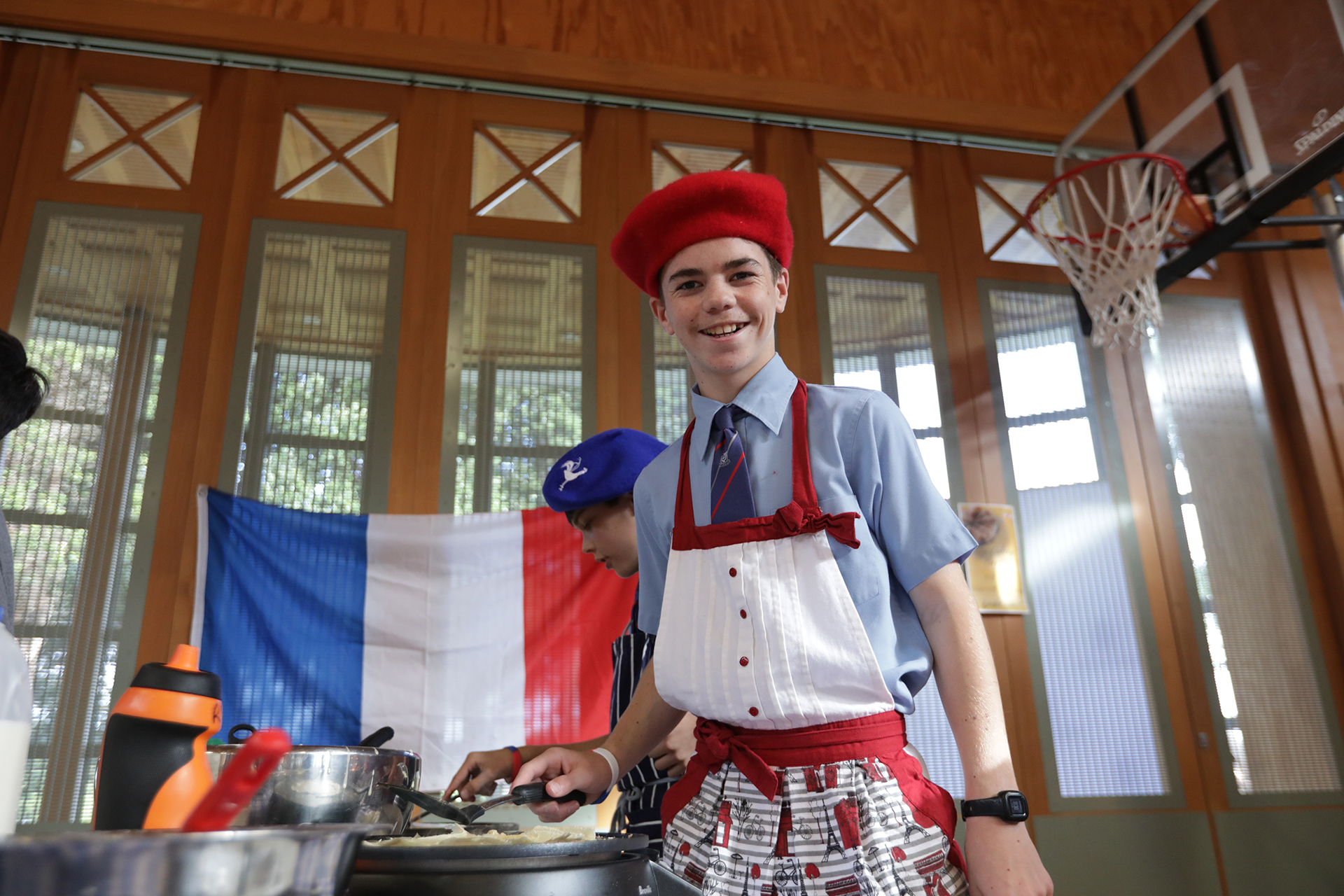
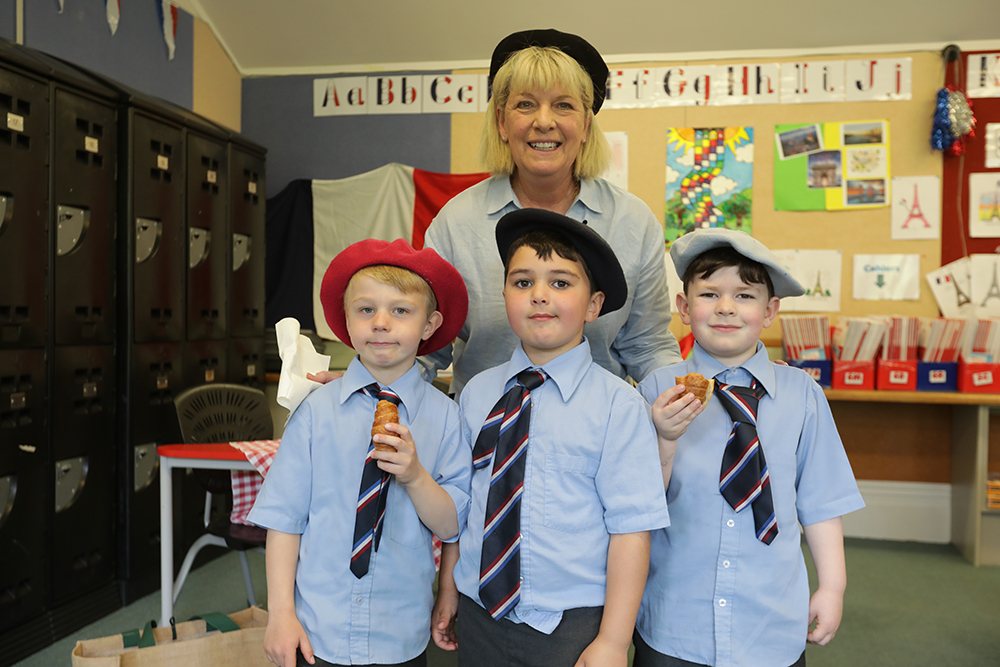
The programme extends beyond the classroom walls. Crêpe-making sessions bring French culture to life through taste and tradition. Sampling authentic French treats connects language to experience. Trips to a local French café turn lessons into real-world practice. These moments transform French from academic exercise into living culture – showing boys that language is about connection, not just communication.
Building capable, confident communicators
Learning a second language in primary school does more than add another subject to the timetable. It strengthens executive function, enhances problem-solving, and builds mental agility that flows into every subject area. Boys become comfortable navigating unfamiliar territory, willing to try even when uncertain – valuable skills for any future path.
Perhaps most importantly, language learning develops cultural intelligence. Through French, boys discover different ways of expressing ideas and seeing the world. They gain appreciation for other perspectives and confidence in crossing cultural boundaries – essential capabilities for tomorrow’s leaders and global citizens.